A thought from your friend, the new puppy owner.
Let’s set the scene, you and your 6-month-old dog have just graduated puppy school. You’ve spent 5 weeks being taught all the skills you need to set your family up for success and give your dog the best possible start to fit in with your life. Your trainer has given you real life scenarios for every skill you are working on and all you have to do is stick to the plan? Easy right?
WRONG!
One thing you never really think about is how these scenarios actually pan out in real life because ultimately you need a lot of co-operation from the real world, hence let’s start our apologies now!
The reality of working hard when training your dog is that it is your responsibility, no one else’s. But, as anyone who has encountered a well-meaning passer-by during training will tell you, the responsibility does get passed onto others, whether it be the stranger in the park who wants to say hi, or the friend you’ve got popping round for a coffee.
So, let’s start with the strangers you meet. You’ve got a super cute puppy, who is likely a lot smaller than they are going to be as an adult, people forget that! They don’t mind the jumping up, they’ll probably even forgive the puppy teeth grabbing hold of their coat, they just want a puppy cuddle! The only thing they don’t think about, is the behaviour patterns you’re trying to form for your dog.
It’s confusing for your dog, you’re probably at the end of the lead asking them to sit, they’re already a bit bored of hearing that, so when a new face wants to make a fuss of them, we all know it’s going to end with the puppy jumping all over them.
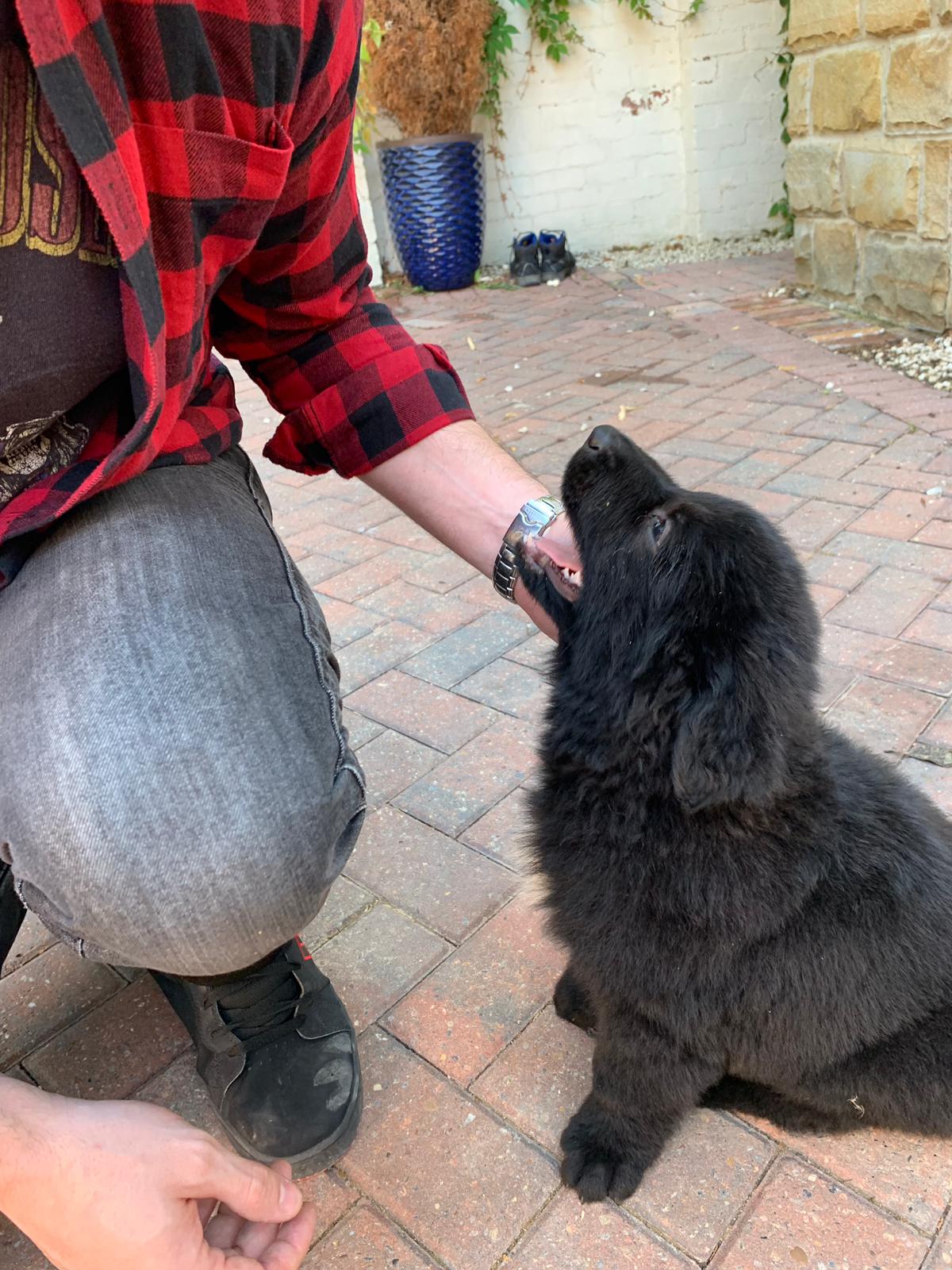
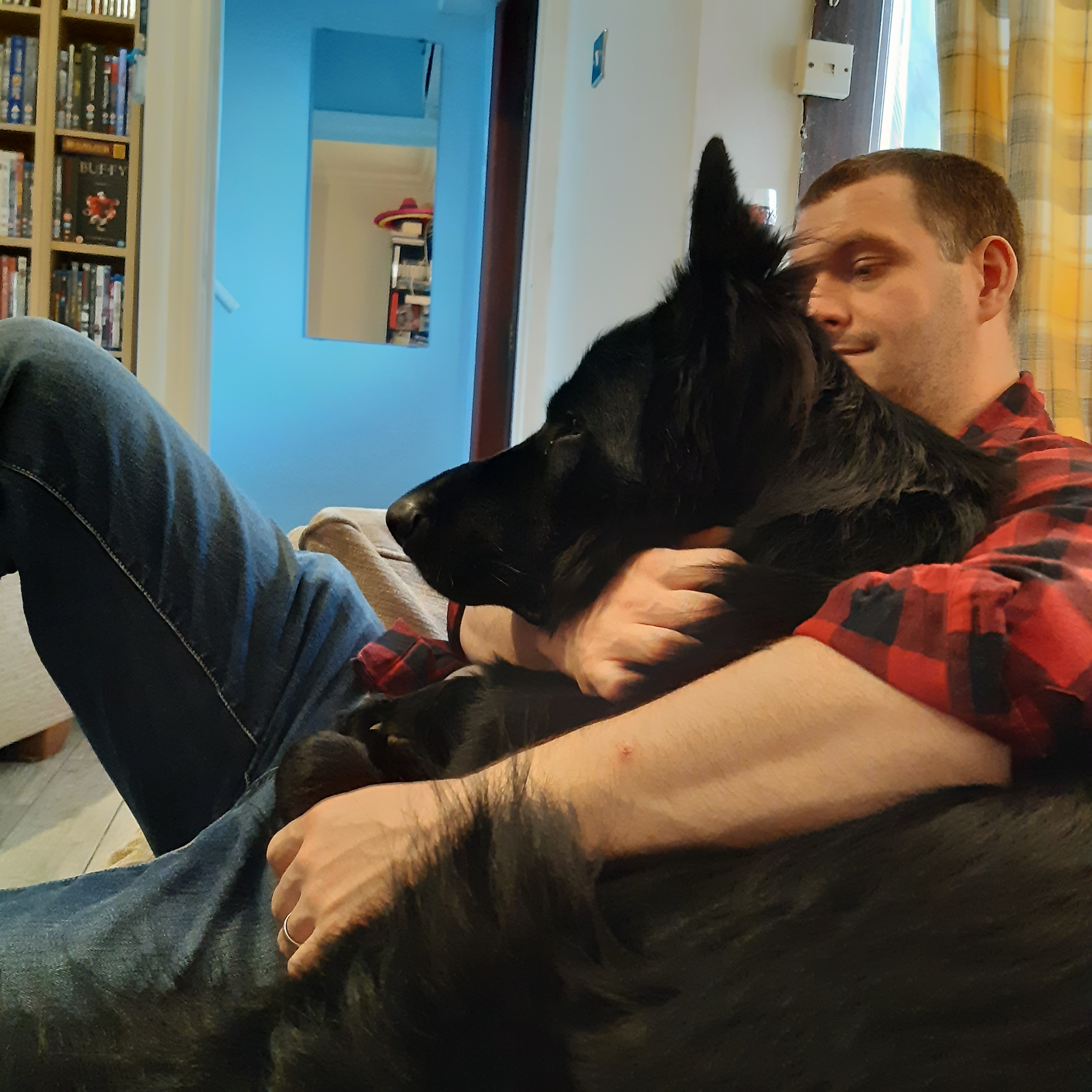
What’s the solution? Of course, be polite! But that doesn’t mean let the stranger get away with upsetting your training. Explain to them what you’re trying to achieve, let them know what you expect your puppy to do in order for them to say hello nicely. Be kind, but firm with people. We don’t want to go around upsetting strangers, but you’re the one who has to live with this dog for the next 15+ years. If the behaviours are important to you, it’s worth stating it now.
The next example I used is the friend you’ve got coming round for coffee. There’s possibly a lot more to this. You could we working on door manners, so your dog knows how to behave when it hears a knock on the door and when someone comes in through it. Firstly, you might prefer they don’t knock or use the doorbell, maybe ask them to drop you a text when they are outside instead. Answering the door may take a little bit longer than your friend is used to. Warn them, they’re your pal, they should understand! It may be that you then have to leave your friend to make themselves at home for a minute while you get the dog outside for an overexcited toilet break, try having a brew ready and waiting for them. Even when all the initial excitement is out of the way, you probably want to get your dog in the same room as your visitor and work on their ability to settle with guests in the house. It’s probably worth having a stuffed Kong or a licky mat ready for your dog to help them with this step too.
I guess what I’m trying to show with these scenarios is that puppy training classes are more than they seem. You have to play the long game if you want your dog to be able to slot into your life and sometimes that comes with endless apologies, you apologising for the mistakes that are made (they happen, no judgement here) and also apologising to the people whose cooperation you need to make your training a success
To the friends of the puppy owner, be patient, be kind. Your friend is feeling pressure to create the perfect dog from every angle. To you, it may be just a dog, but to your friend, that dog is a companion, they’re family, they matter.
 Positively Peaches
Leave a comment